
How Much Does It Cost to Sell a House in Spring, TX? (2026 Seller's Guide)

If you're thinking about selling your home in Spring, Texas, one of the first questions you probably have is: How much will it cost me to sell, and how much money will I actually walk away with?
It's a great question, and one that deserves more than a generic answer.
Selling a home involves more than agreeing on a purchase price. Real estate commissions, title fees, property taxes, mortgage payoffs, and possible buyer concessions can all affect your final proceeds.
Whether you're selling in Cypresswood, Memorial Northwest, Gleannloch Farms, Imperial Oaks, or another Spring-area neighborhood, understanding these expenses can help you make a more informed decision.
Here's what Spring homeowners should know before putting their property on the market in 2026.
1. Real Estate Commissions
One of the largest potential expenses when selling a home is real estate brokerage compensation.
Real estate commissions are negotiable and are not set by law.
The amount you agree to pay your listing brokerage depends on your agreement and the services being provided.
You may also decide to offer compensation toward the buyer's brokerage, depending on your selling strategy and the terms of the transaction.
The important thing to understand is that there is no legally required commission percentage that every seller must pay.
Before signing a listing agreement, discuss what services are included, what compensation is being requested, and how that affects your estimated net proceeds.
2. Title Insurance and Closing Costs
Another expense Spring sellers should understand is title insurance.
Title insurance helps protect against certain ownership and title-related issues.
In Texas, the cost of an owner's title insurance policy is regulated by the Texas Department of Insurance. The buyer and seller can negotiate who pays for the policy.
For example, using the Texas title insurance rates effective March 1, 2026, the basic premium for a $325,000 owner's policy is approximately $1,892.
Other potential closing expenses may include:
-
Title company escrow or settlement fees
-
Recording and document-related expenses
-
HOA resale certificates or transfer fees
-
Survey expenses, if required under the contract
-
Mortgage payoff processing or related charges
-
Other negotiated transaction expenses
Not every seller pays every fee. Your final costs depend on your contract, title company, property, and transaction details.
3. Property Taxes Are Usually Prorated
Property taxes are another important factor when calculating how much you'll walk away with.
In a typical Texas resale transaction, property taxes are prorated through the closing date under the standard contract.
For example, if you sell your home halfway through the year, you would generally be responsible for your portion of that year's taxes through closing.
The estimated proration can change based on the property's tax information, exemptions, and closing date.
One thing sellers should understand: If your mortgage payment includes an escrow account for property taxes and insurance, your lender may refund a remaining escrow balance after your loan is paid off.
That refund is separate from the proceeds you receive at closing.
4. Seller Concessions and Negotiated Repairs

Depending on the property and market conditions, a buyer may request financial assistance during negotiations.
These are commonly called seller concessions.
For example, a buyer may request:
-
Money toward closing costs
-
Assistance with financing expenses
-
A home warranty
-
Repairs before closing
-
A credit negotiated after inspections
You don't automatically have to agree to every request.
A seller might receive an offer at full asking price with a request for $5,000 in closing-cost assistance. Another buyer might offer slightly less with no concessions.
That's why evaluating the net amount of the offer matters more than focusing only on the purchase price.
5. Repairs and Preparing Your Home for Sale
Not every home needs a full remodel before listing.
In fact, some sellers spend money on improvements that don't necessarily increase their final profit.
Depending on your home's condition, it may be worth considering:
-
Fresh interior paint
-
Landscaping and curb appeal
-
Minor plumbing or electrical repairs
-
Professional cleaning
-
Replacing damaged flooring
-
Addressing obvious maintenance issues
However, before spending thousands of dollars on renovations, it's important to compare your property with similar homes that have recently sold.
An updated home may command a higher price, but the difference must justify the cost and time of those improvements.
Sometimes selling as-is is the better financial decision.
6. Your Mortgage Payoff Affects Your Net Proceeds
One of the most common misunderstandings among sellers is confusing home equity with the money they'll receive at closing.
For example, if your home is worth $325,000 and you owe $205,000 on your mortgage, you might assume you'll walk away with $120,000.
But that doesn't account for the expenses associated with selling.
Your mortgage payoff must also be confirmed with your lender. The payoff amount may differ from the balance shown on your regular mortgage statement because of accrued interest and other applicable charges.
7. Example: How Much Would You Make Selling a $325,000 Home in Spring?

Let's look at a hypothetical example.
| Item | Amount |
|---|---|
| Home sale price | $325,000 |
| Mortgage payoff | -$205,000 |
| Example negotiated brokerage compensation (5% total) | -$16,250 |
| Owner's title policy | -$1,892 |
| Other estimated closing fees | -$1,200 |
| Estimated property tax proration | -$2,500 |
| Negotiated buyer concessions | -$3,000 |
| Estimated net proceeds | $95,158 |
This example is for illustration only. The 5% total brokerage compensation is a hypothetical negotiated amount, not a required or standard rate. Tax prorations, other fees, and concessions are assumptions. Actual costs will vary.
That's a meaningful difference between the home's sale price and what the seller actually receives.
It also shows why it's important to prepare a seller's estimated net sheet before listing.
8. Does Pricing Your Home Correctly Make a Difference?
Absolutely.
Pricing can affect everything from buyer interest to your negotiating position.
If a home is priced too high compared to competing properties, it may sit on the market longer. That can mean additional mortgage payments, insurance expenses, utilities, HOA costs, and maintenance while you wait for a buyer.
On the other hand, pricing a home competitively based on recent comparable sales can help attract buyers who are actively searching in your neighborhood.
The goal should not simply be to list your home at the highest possible price.
The goal is to position your property to attract qualified buyers and maximize your expected net proceeds.
9. How Can You Reduce Your Selling Costs?
Every seller's situation is different, but there are several ways to approach the process strategically.
First, understand which repairs are actually necessary before investing money.
Second, review your estimated closing costs and negotiate contract terms based on your goals.
Third, price your home using comparable sales, competing listings, property condition, and current buyer demand.
Finally, review every offer based on the entire transaction, including financing, concessions, timelines, and expected net proceeds.
Sometimes the highest offer isn't the strongest overall offer.
10. What About Taxes on the Profit From Selling Your Home?
For some homeowners, federal capital gains taxes may also be a consideration.
Depending on ownership, use of the home as a primary residence, and other IRS requirements, qualifying sellers may be eligible to exclude certain gains from federal income taxes.
Investment properties, rental homes, and situations involving multiple properties can have different tax consequences.
Because everyone's tax situation is different, it's important to speak with a qualified tax professional before making decisions based on potential tax savings.
Final Thoughts
Selling a home in Spring, TX involves several expenses that homeowners should understand before listing.
Real estate compensation, closing costs, property taxes, possible repairs, and buyer concessions can all impact how much money you ultimately receive.
But selling doesn't have to be complicated.
With the right preparation and pricing strategy, you can make informed decisions and avoid unnecessary surprises at closing.
Thinking About Selling Your Home in Spring, TX?

At Iron Key Group, we help homeowners throughout Spring, Klein, The Woodlands, and Greater North Houston understand their property's potential market value and what they could realistically walk away with after selling.
Before you spend money on repairs or decide on a listing price, let's review your options.
We can help you evaluate comparable sales, estimate selling expenses, and develop a strategy around your timeline and financial goals.
Want to know what your home could sell for and what you'd potentially net?
Call or text 281-916-5502 or visit jimmyayalarealtor.com to get started.
Iron Key Group
Creating Opportunities
Brokered by Realty World Metropolitan
FROM OUR BLOG
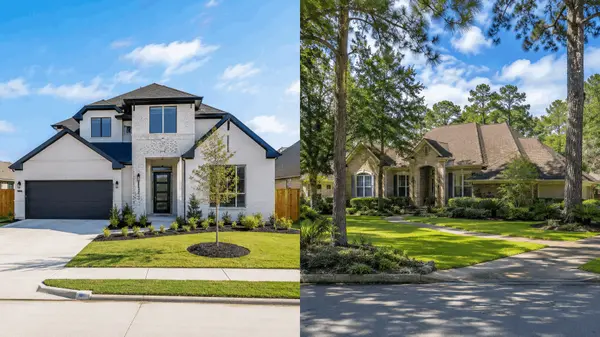
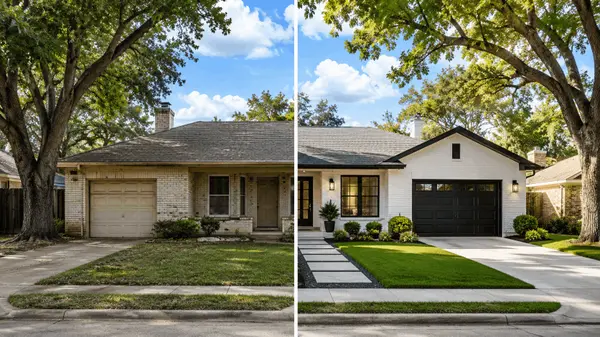
Should You Sell As-Is or Remodel Before Listing in Spring, TX?
Should You Sell As-Is or Remodel Before Listing in Spring, TX? Thinking about selling your home in Spring, TX? One of the biggest questions sellers ask is whether they should sell the home as-is or make repairs and updates before putting it on the market. The truth is, there is no one-size-fits-al
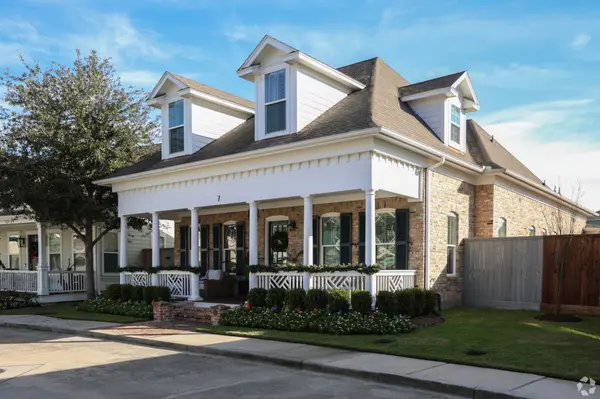
Best Neighborhoods in Spring, TX for First-Time Home Buyers
Best Neighborhoods in Spring, TX for First-Time Home Buyers Buying your first home is a big move, and choosing the right neighborhood matters just as much as choosing the right house. Spring, TX continues to be a popular area for buyers who want access to North Houston, The Woodlands, major highways

First-Time Home Buyer in Spring, TX: Essential Tips for 2026
First-Time Home Buyer in Spring, TX: Essential Tips for 2026 First-time home buyers in Spring, TX face a competitive but attainable market heading into 2026. According to Redfin, typical closed-sale prices in Spring during early 2025 ranged roughly between $260,000 and $380,000, depending on neighbo