
First-Time Home Buyer in Spring, TX: Essential Tips for 2026
First-time home buyers in Spring, TX face a competitive but attainable market heading into 2026. According to Redfin, typical closed-sale prices in Spring during early 2025 ranged roughly between $260,000 and $380,000, depending on neighborhood and property condition. That range positions Spring below many Houston-area hotspots while still offering strong long-term appeal. Understanding financing options, neighborhood differences from Old Town Spring to Springwoods Village, and property tax implications helps first-time buyers move from renting to ownership with confidence.
How should a first-time home buyer in Spring, TX prepare financially for 2026?
Financial readiness for a first-time home buyer in Spring, TX starts with a clear budget and realistic expectations. According to Realtor.com, many Spring listings still close in the mid-$300,000 range as of late 2025, though renovated homes near Grand Parkway often trend higher. Lenders typically prefer a debt-to-income ratio under 43%, so auto loans, student loans, and credit cards should be reviewed early. Establishing a price ceiling before touring properties on Rayford Road or Cypresswood Drive limits emotional overspending.
Down payment planning is equally important. According to HUD, FHA loans allow qualified first-time buyers to put as little as 3.5% down, which can make homes near Meyer Park or Pundt Park more accessible. Conventional loans often reward credit scores above 740 with noticeably lower interest rates. Building funds for closing costs, typically between 2% and 5% of the purchase price, keeps inspections, appraisals, and escrow fees from becoming last-minute obstacles.
Late afternoon near Old Town Spring brings a soft golden light over historic storefronts along Spring Cypress Road, while the faint smell of barbecue drifts from CorkScrew BBQ toward the wooden porches of nearby shops. The muffled clink of dishes from local cafés blends with distant traffic on Interstate 45, reminding first-time buyers walking the area that homeownership here means both small-town charm and metropolitan access. Feeling that blend in person can clarify how much monthly payment is worth committing to.
What loan programs and assistance options benefit first-time buyers in Spring?
Loan programs tailored to first-time buyers can make Spring neighborhoods such as Springwoods Village or Gleannloch Farms more attainable. Conventional loans with as little as 3% down now compete directly with FHA options in many cases. According to Consumer Financial Protection Bureau, mortgage insurance on conventional loans may cancel once equity reaches around 20%, while FHA insurance typically lasts longer. Comparing long-term costs over a projected seven- to ten-year stay helps determine the best path.
Texas-specific assistance can further ease entry. The Texas State Affordable Housing Corporation notes that qualifying first-time buyers often access down payment assistance loans paired with 30-year fixed-rate mortgages, sometimes covering up to several percentage points of the purchase price, based on data summarized by TSAHC. In Spring, such programs may bridge the gap between current savings and the amount needed for a starter home near Hurricane Harbor Splashtown or along Louetta Road.
Closing cost support also reduces upfront strain. According to Freddie Mac, buyers typically need between 2% and 5% of the loan amount for closing expenses, with higher-priced homes near the ExxonMobil Campus skewing toward the upper end. Negotiated seller credits, lender credits tied to slightly higher interest rates, and targeted assistance funds can all combine to shrink the amount due at signing, particularly for modest homes off Kuykendahl Road or FM 2920.
Which Spring, TX neighborhoods work best for first-time home buyers?
Spring delivers a wide spectrum of first-home choices, from older bungalows to master-planned communities. According to Zillow, overall Spring home values rose within a mid-single-digit percentage range over recent years, with pockets near Spring Creek Greenway and Mercer Botanic Gardens performing especially steadily. Older subdivisions around Cypresswood Drive often feature larger lots at approachable prices, while newer builds along the Grand Parkway corridor emphasize energy efficiency and community amenities.
Evening at Mercer Botanic Gardens brings the soft rustle of leaves and the gentle splash of fountains, while the air carries a subtle mix of pine and damp earth from the shaded trails. Families strolling along the pathways near Aldine Westfield Road hear children laughing in the play areas and distant birdsong over Spring Creek. Experiencing that calm helps many first-time buyers imagine daily life in adjacent neighborhoods and weigh whether slightly higher prices near the gardens justify the added serenity.
Proximity to employment centers also shapes decisions. The ExxonMobil Campus north of Springwoods Village and offices along Interstate 45 shorten commutes from nearby subdivisions such as Harmony and Birnam Wood. According to Walk Score, much of Spring remains car-dependent, with scores in several areas under 40. However, pockets near Rayford Road, Louetta Road, and major retail around The Woodlands Mall provide more walkable access to groceries, restaurants, and services, which can reduce long-term transportation costs.
How do schools, amenities, and commute times influence first-time buyer choices?
School districts play a central role for many first-time buyers in Spring. According to GreatSchools, Spring High School, Carl Wunsche Sr. High School, and nearby Klein Collins High School present differing academic focuses and ratings, which influence demand along Cypresswood Drive, Ella Boulevard, and FM 1960. Homes zoned to highly rated elementary campuses near Meyer Park or in Klein ISD frequently command premiums of tens of thousands of dollars compared with similar homes outside those zones.
Parks and recreation options also shape neighborhood appeal. Mercer Botanic Gardens, Pundt Park, and Meyer Park line sections of Spring Creek, offering sports fields, dog runs, and trail access. According to Harris County data summarized by Harris County Precinct 4 Parks, the Spring Creek Greenway already connects more than 40 miles of trails, with future expansions planned. For first-time buyers, living within a 10-minute drive of these parks can substitute for costly private amenities and gym memberships.
Commute times remain a practical filter. Interstate 45, Hardy Toll Road, and Grand Parkway collectively frame Spring, but congestion during peak hours can be significant. According to travel data referenced by TomTom, peak Houston-area commute times often run 20% to 30% longer than off-peak periods. First-time buyers working in Downtown Houston or the Energy Corridor often prioritize quick access to Hardy Toll Road ramps or Grand Parkway interchanges to keep daily travel under 45 minutes each way.
What practical steps help first-time buyers navigate inspections, taxes, and long-term costs?
Due diligence after an offer is accepted can protect first-time buyers from costly surprises. Professional inspections along with specialized evaluations for older homes near Old Town Spring or along Spring Cypress Road reveal foundation movement, roof age, and drainage patterns. According to American Society of Home Inspectors, thorough inspections often identify issues that can justify repair requests or credits equal to 1% to 3% of the contract price. Allowing adequate option-period time ensures that findings can be negotiated calmly rather than under deadline pressure.
Property taxes significantly influence monthly payments. According to tax rate summaries from Harris County Tax Office, combined tax rates for many Spring neighborhoods, including school and municipal districts, often fall between 2.0% and 2.7% of assessed value annually. That means a home priced near $320,000 in 2026 could carry yearly property taxes in the approximate range of $6,400 to $8,600, depending on exemptions and specific districts. Understanding that range early avoids budget shocks once escrow payments begin.
Ongoing maintenance costs also deserve attention. National surveys summarized by NerdWallet suggest annual maintenance often averages between 1% and 4% of a home’s value. For a starter property near the H-E-B on Rayford Road or the Kroger on Spring Cypress Road priced at $300,000, that implies yearly maintenance expectations between roughly $3,000 and $12,000. Factoring this alongside utilities, HOA dues in communities such as Harmony, and potential upgrades keeps long-term ownership sustainable rather than stressful.
The $260,000 to $380,000 price range cited at the start of this guide reflects the accessible yet competitive nature of Spring’s first-home market. That initial figure from early 2025 also underscores how quickly entry points can shift when inventory tightens near key corridors like Grand Parkway and Interstate 45. The Houston Association of Realtors market reports provide one of the clearest recurring views into active listings and closed-sale trends across Spring. Buyers who register listing alerts there and commit to touring promising homes within 48 hours of activation before the late-spring surge in May often secure contracts at more favorable terms, while those delaying decisions until after that seasonal upswing regularly face higher prices and stronger competing offers.
FROM OUR BLOG
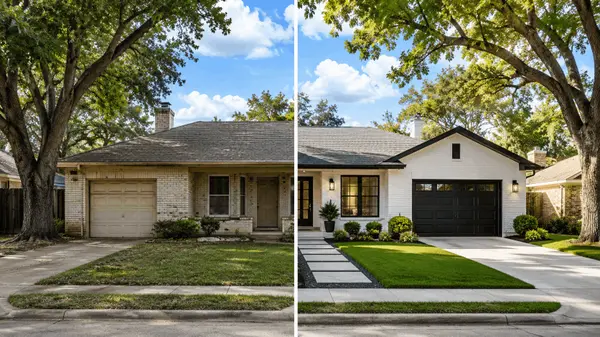
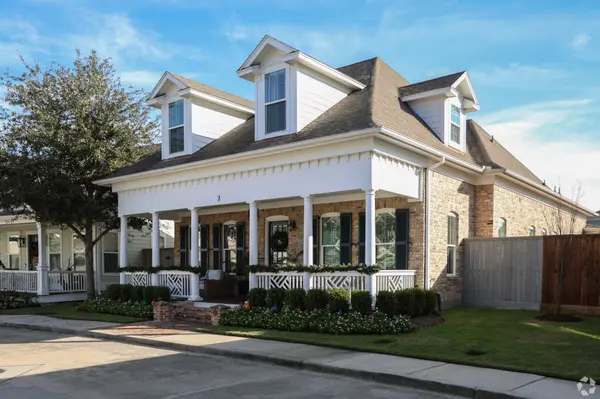
Best Neighborhoods in Spring, TX for First-Time Home Buyers
Best Neighborhoods in Spring, TX for First-Time Home Buyers Buying your first home is a big move, and choosing the right neighborhood matters just as much as choosing the right house. Spring, TX continues to be a popular area for buyers who want access to North Houston, The Woodlands, major highways

Investment Properties in The Woodlands: A 2026 Market Overview
Investment Properties in The Woodlands: A 2026 Market Overview The Woodlands has evolved into one of the Houston region’s most closely watched investment corridors, with strong fundamentals extending into 2026. According to Redfin, recent sales data through early 2026 shows typical home values clust
Moving to Conroe, TX: What You Need to Know in 2026
Moving to Conroe, TX: What You Need to Know in 2026 Moving to Conroe TX in 2026 means entering one of Texas’s faster-growing small cities. According to U.S. Census QuickFacts, Conroe’s population exceeded 98,000 residents as of 2023, reflecting substantial growth over the past decade. That expansion