
Investment Properties in The Woodlands: A 2026 Market Overview
The Woodlands has evolved into one of the Houston region’s most closely watched investment corridors, with strong fundamentals extending into 2026. According to Redfin, recent sales data through early 2026 shows typical home values clustering between $420,000 and $550,000, reflecting stable, upper-tier suburban pricing. Investor interest spans single-family rentals, low-maintenance townhomes, and mixed-use assets near Lake Woodlands and The Woodlands Waterway, all supported by master-planned design, mature infrastructure, and consistent corporate employment nearby.
Why are investment properties in The Woodlands gaining momentum in 2026?
Investor attention in 2026 centers on supply constraints, quality construction, and durable tenant demand. The community’s master plan limits sprawl in villages like Panther Creek, Alden Bridge, and Cochran's Crossing, which helps preserve values over time. According to Zillow, The Woodlands’ typical home value has risen in a range of 3% to 5% annually in recent years, slower than some boom suburbs but with less volatility, which many investors view as a stabilizing factor.
Access to employment centers further underpins momentum. The campus cluster around Hughes Landing, including corporate offices overlooking Lake Woodlands, supplies a steady pipeline of higher-income renters. Data from Realtor.com shows days on market for well-priced listings frequently hovering between 25 and 40 days as of late 2025, a range that suggests balanced but competitive conditions, particularly for updated properties near Grogan's Mill Road and Woodlands Parkway.
On a mild spring evening, the brick pathways of Waterway Square glow under soft string lights while music drifts from patios at restaurants like Goose's Acre and Crush Wine Lounge. The scent of grilled seafood mixes with roasted coffee from the cafés near The Woodlands Waterway Marriott, and reflections shimmer across the dark surface of the canal. This atmosphere draws professionals seeking walkable living, supporting premium rents in nearby condos and townhomes bordering Waterway Avenue and Timberloch Place.
Which neighborhoods in The Woodlands offer the strongest investment fundamentals?
Several villages offer differentiated profiles for investment properties in The Woodlands. Creekside Park, on the southern edge near Kuykendahl Road, features newer construction, modern floor plans, and proximity to Rob Fleming Park and the Creekside Park Village Green. According to Redfin, recent sales in Creekside Park often fall between $450,000 and $700,000, a range that attracts investors targeting higher-income tenants seeking family-oriented amenities and newer infrastructure.
Closer to the heart of the community, Panther Creek and Grogan's Mill offer a different profile, with older housing stock, tall pines, and quick access to The Woodlands Mall and Market Street. According to Realtor.com, many homes in Panther Creek still trade in the approximate band of $350,000 to $550,000, allowing value-add investors to acquire properties at moderate entry prices and reposition them with cosmetic upgrades aimed at professionals commuting along Research Forest Drive and Interstate 45.
Morning in Alden Bridge often begins with the crisp scent of pine along Kuykendahl Road and the gentle clatter of dishes from local favorite Blue Lion Pub. Sunlight filters through tree canopies onto jogging paths near Alden Bridge Park, while cyclists trace quiet streets toward Buckalew Elementary and Mitchell Intermediate. This calm, shaded environment, combined with proximity to neighborhood centers along Research Forest Drive, reinforces tenant loyalty and lengthens average lease terms for single-family rentals in the village.
What do rental trends reveal about investment properties in The Woodlands?
Rental data in The Woodlands shows a market tilted toward stable, long-term occupancy. According to Apartments.com, advertised monthly rents for many mid-range apartments cluster between $1,400 and $2,000 as of early 2026, with amenity-rich properties near Town Center often commanding premiums above $2,200. Single-family rentals in villages like Sterling Ridge and Indian Springs often push higher, especially for three- and four-bedroom homes with updated interiors and fenced yards.
Vacancy trends support the income story. Based on regional data summarized by HAR.com, lease listings in The Woodlands frequently secure tenants in roughly 20 to 35 days, depending on price point and condition. This timeline indicates healthy demand without overheated churn, a pattern favored by investors focused on minimizing carrying costs and turnover expenses in both older neighborhoods like Cochran's Crossing and newer pockets near May Valley.
Walkability and lifestyle amenities also shape rent levels. According to Walk Score, The Woodlands holds an overall Walk Score in the mid-20s, but Town Center and the area around The Woodlands Mall, Cynthia Woods Mitchell Pavilion, and Market Street function as significantly more walkable micro-districts. Properties within roughly 0.5 miles of these nodes often capture higher rents due to quick access to concerts, dining, and shopping along Lake Robbins Drive.
How do infrastructure, employers, and amenities support long-term demand?
Transportation access remains a central pillar for investment properties in The Woodlands. The master-planned road network funnels residents efficiently toward Interstate 45, with primary arteries including Woodlands Parkway, Research Forest Drive, and Lake Woodlands Drive enabling manageable commute times. According to visitor data from Visit The Woodlands, the community sits roughly 28 miles north of downtown Houston, placing it within range for executives, medical professionals, and energy employees who prefer suburban living yet maintain connections to the urban core.
Major employment hubs reinforce housing demand. The campus of Memorial Hermann The Woodlands Medical Center and St. Luke's Health – The Woodlands Hospital, both near Medical Plaza Drive, supplies hundreds of healthcare positions. Nearby, Lone Star College–Montgomery and The Woodlands College Park High School attract educators and staff. GreatSchools reports that The Woodlands High School holds ratings in the 8 to 9 out of 10 range, based on GreatSchools data, which reinforces family preference for the area and bolsters long-term tenant stability.
Recreation and culture function as additional demand anchors. Northshore Park along Lake Woodlands hosts community festivals and weekend gatherings, while Rob Fleming Aquatic Center, Bear Branch Park, and George Mitchell Nature Preserve provide outdoor options that appeal to residents across age groups. The Cynthia Woods Mitchell Pavilion draws touring concerts and symphony performances throughout more than 20 annual events, supporting short-term rental demand during peak show weekends and maintaining regional visibility for The Woodlands nationally.
How should investors approach strategy and risk in The Woodlands market?
Effective strategy in 2026 requires matching property type and village selection to specific investment timelines. Investors seeking stable, bond-like income streams often favor single-family homes in established areas such as Cochran's Crossing, Panther Creek, and Sterling Ridge, where tree-lined streets and access to parks like Cattail Park and Alden Bridge Park encourage multi-year leases. Based on historical ranges compiled by Redfin, annual appreciation in The Woodlands has generally remained in the moderate 3% to 5% band, aligning with longer holding periods.
More growth-oriented investors often focus near commercial hubs, including Hughes Landing, The Woodlands Mall, and Market Street, where mixed-use zoning and pedestrian infrastructure can enhance both short-term rent growth and long-term redevelopment potential. Purchase prices near these nodes frequently exceed $600,000, but the combination of higher rent ceilings and potential exit premiums can offset initial cost. Careful underwriting of property taxes, insurance premiums, and homeowners association dues remains critical, especially as Montgomery County tax assessments have trended upward over the past several assessment cycles.
Risk management involves planning for evolving regulations, maintenance costs, and macroeconomic shifts. Master association standards in The Woodlands help preserve aesthetics, yet they may add compliance expenses for exterior remodels or short-term rental operations. Prudent investors model cash flow across scenarios that include interest rate increases of 1% to 2%, modest rent softening, and vacancy stretching to 45 days in slower leasing seasons, creating buffers that protect portfolio performance even if regional job growth temporarily moderates.
The 3% to 5% appreciation range cited at the start of this guide reflects a market characterized more by resilience than speculation, an important distinction for capital allocation decisions. That same 3% to 5% band from recent years underscores how consistency, rather than rapid spikes, has shaped long-term returns for well-chosen properties. The Houston Association of Realtors neighborhood dashboards provide the most reliable, frequently updated snapshots of listing activity, price trends, and leasing volume in The Woodlands. Investors who monitor these metrics monthly and submit offers within 24 to 48 hours of suitable listings hitting the market before the spring surge in March typically secure better pricing, while those delaying decisions until late Q2 often encounter tighter inventory, higher competition, and compressed negotiation leverage.
FROM OUR BLOG
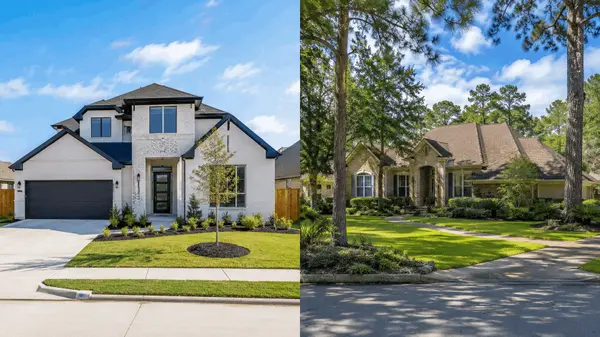
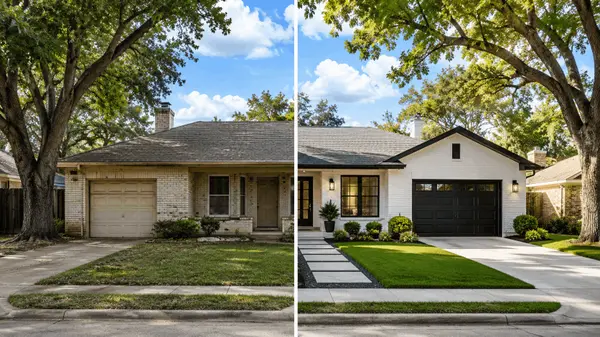
Should You Sell As-Is or Remodel Before Listing in Spring, TX?
Should You Sell As-Is or Remodel Before Listing in Spring, TX? Thinking about selling your home in Spring, TX? One of the biggest questions sellers ask is whether they should sell the home as-is or make repairs and updates before putting it on the market. The truth is, there is no one-size-fits-al
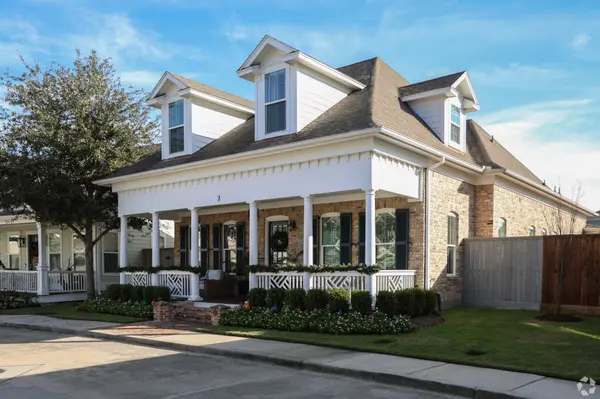
Best Neighborhoods in Spring, TX for First-Time Home Buyers
Best Neighborhoods in Spring, TX for First-Time Home Buyers Buying your first home is a big move, and choosing the right neighborhood matters just as much as choosing the right house. Spring, TX continues to be a popular area for buyers who want access to North Houston, The Woodlands, major highways

First-Time Home Buyer in Spring, TX: Essential Tips for 2026
First-Time Home Buyer in Spring, TX: Essential Tips for 2026 First-time home buyers in Spring, TX face a competitive but attainable market heading into 2026. According to Redfin, typical closed-sale prices in Spring during early 2025 ranged roughly between $260,000 and $380,000, depending on neighbo